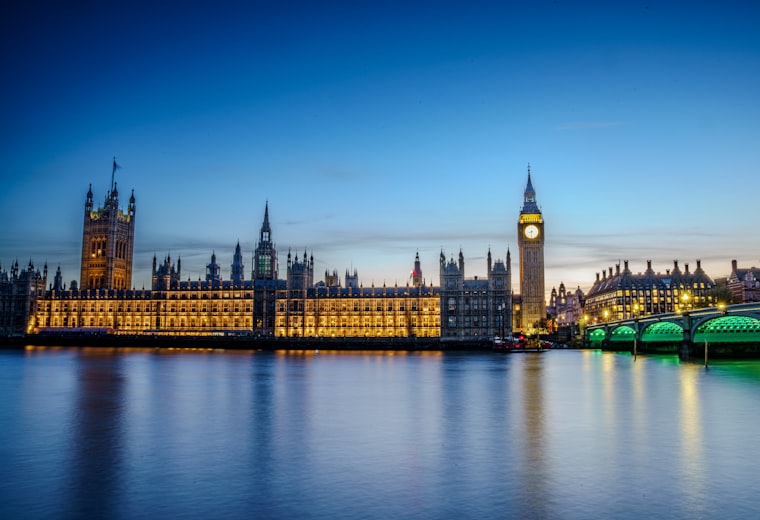
United Kingdom visa types
Explore United Kingdom visa categories — work, study, family, visit, and more. Compare options, check requirements, and find the right visa for your situation.
33 visa types across 10 categories
Browse United Kingdom visas
United Kingdom visa types each have different requirements, timelines, and eligibility rules. Browse by category to find the right option, with processing times and links to official United Kingdom sources.
Not sure which visa you need?
Select your goal and we'll highlight the most relevant visa types.
Showing 33 of 33 visa types
Work visas
UK Skilled Worker Visa: 2026 Requirements
UK Skilled Worker Visa guide for 2026: £41,700 salary, B2 English, RQF 6 jobs, sponsor and CoS rules, fees, documents, dependants, and steps.
Health and Care Worker Visa
The UK Health and Care Worker visa allows qualified medical professionals to work in specific health and social care roles.
Senior or Specialist Worker Visa
This visa lets you work in the UK at your employer’s UK branch in an eligible job.
Intra-company Transfer Visa
The old Intra-company Transfer visa now operates under the Senior or Specialist Worker Visa (Global Business Mobility) route.
Scale-up Visa
The UK Scale-up visa allows you to work in an eligible role for a fast-growing UK business.
Seasonal Worker Visa
This visa lets you work in temporary farm roles in horticulture or poultry for a defined period.
Global Talent Visa
The UK Global Talent visa lets you work in the UK if you are a recognised leader or emerging leader in a specific field.
Innovator Founder Visa
The UK Innovator Founder visa allows you to establish and run an innovative business in the United Kingdom.
High Potential Individual Visa
The High Potential Individual (HPI) visa lets you live and work in the UK for up to 2 years.
Graduate Visa
The UK Graduate visa lets you stay in the UK after completing an eligible course to look for work.
UK Ancestry Visa
The UK Ancestry visa allows eligible Commonwealth citizens with a UK-born grandparent to live and work in the United Kingdom for up to five years.
UK Expansion Worker Visa
You can come to the UK to set up a branch or subsidiary of an overseas business that doesn’t yet trade in the UK.
Overseas Domestic Worker Visa
This visa lets you enter the UK with your employer to continue working in their private household for a limited period.
Study visas
Student Visa
The UK Student visa lets you study in the UK if you're 16 or older and meet strict eligibility rules.
Child Student Visa
The Child Student Visa lets children aged 4 to 17 study at an independent fee‑paying school in the UK.
Short-term Study Visa
This visa lets you study English in the UK for a limited period. It’s only for specific course lengths and doesn’t replace long-term study routes managed by.
Family visas
Spouse or Partner Visa
The UK spouse or partner visa lets you enter or remain in the UK to live with your partner for the long term.
Family Visa
The UK family visa allows you to live in the UK with certain family members for more than six months.
Parent Visa
The UK parent visa lets you live in the UK to care for your child when specific conditions apply.
Child Visa
The UK child visa allows a child to join a parent who has permission to live in the UK.
Adult Dependent Relative Visa
This visa allows an adult relative to move to the UK to receive long-term personal care from a family member who is settled or present in the UK.
EU Settlement Scheme Family Permit
The EU Settlement Scheme family permit lets certain family members travel to the UK to join a qualifying EU, EEA, Swiss national.
Visit & tourism
Standard Visitor Visa
The UK tourist visa falls under the Standard Visitor Visa. It allows short, temporary visits for tourism, business meetings, limited study.
Marriage Visitor Visa
The UK marriage visitor visa lets you enter the UK to marry or register a civil partnership without settling in the country.
Transit Visa
A UK transit visa allows you to pass through the United Kingdom on your way to another country.
Residency & green cards
Indefinite Leave to Remain (ILR)
Indefinite Leave to Remain (ILR) grants individuals the ability to live, work, and study in the United Kingdom without time restrictions.
ILR (Long Residence)
UK long residence ILR allows you to settle in the United Kingdom after 10 years of continuous lawful residence.
Returning Resident Visa
The UK Returning Resident visa lets you seek re-entry to live in the UK permanently if you previously held Indefinite Leave to Remain (ILR) and stayed outside.
Other
Youth Mobility Scheme Visa
Eligibility, documents, fees, and application process for the Youth Mobility Scheme Visa in United Kingdom.
British Citizenship
British citizenship is available through different routes depending on your immigration history and family situation.
British National (Overseas) Visa
The UK Hong Kong BN(O) visa is for certain people from Hong Kong who want to live, work, and study in the UK.
EU Settlement Scheme
The UK EU Settlement Scheme protects the residence rights of certain European citizens and their families who were in the UK before Brexit took full effect.
Tips for choosing a visa type
- Match your purpose of travel to the right visa category before comparing options.
- Check official processing times — they vary by visa type and location.
- Review required documents early; some visas need employer or school sponsorship.
- Understand the difference between nonimmigrant (temporary) and immigrant (permanent) visas.
- Use official government sources to verify eligibility — VisaMind provides guidance, not legal advice.
Looking beyond United Kingdom? Visa requirements vary by destination. Start from the homepage to explore other countries.
More for United Kingdom
Continue exploring United Kingdom immigration resources.
FAQ
United Kingdom immigration FAQ
The questions readers ask most about applying to live, work, study, and visit United Kingdom
The Appendix FM minimum income requirement was raised to £29,000 in April 2024 with planned step-ups; check the current figure in the live Statement of Changes before applying. Income can be drawn from employment, self-employment, savings (with the £16,000 plus formula), pensions, or non-employment income — but each category has very specific evidential rules under Appendix FM-SE.
The IHS is paid up-front for the entire length of the visa as part of the application: £1,035/year for most adults, £776/year for students and Youth Mobility, and £776/year for under-18 dependants. Health and Care Worker visa holders are exempt. Once paid, you have full access to the National Health Service for the duration of the leave.
Yes, you can switch in-country on or after the course completion date if you have an eligible CoS. You can also use the Graduate visa to stay on without sponsorship first, which is often a smoother bridge between graduation and the first full-time skilled role. As of July 2026 the Graduate visa grants two years (three years for PhD and other doctoral graduates) if you apply on or before 31 December 2026; for applications made on or after 1 January 2027 the grant drops to eighteen months for bachelor's and master's graduates, while doctoral graduates keep three years.
Most work and family routes lead to ILR after five continuous qualifying years, and that includes the UK Ancestry visa, which runs for up to five years before settlement. Global Talent (in some endorsement bands) and Innovator Founder are the routes that can reach settlement in three. You must meet the absence rule, English-language requirement, and Life in the UK test at the point of application.
Bank-statement gaps, missing salary evidence (pay slips not lining up with statements), mistakes in the sponsor or CAS reference number, photos that fail UKVCAS standards, and incomplete English-language evidence are the leading sources of refusal letters. The UK refusal-reasons guide lists the specific paragraphs of the rules that trigger each refusal type.
Both, depending on which sense of the word you mean. The United Kingdom is a single sovereign country — one government, one passport, one immigration system — but it contains four constituent countries: England, Scotland, Wales, and Northern Ireland, each with its own national identity and, outside England, its own devolved legislature. On any visa form, "country" means the United Kingdom: you apply to the UK, never to England or Scotland separately.
Great Britain is a geographic term for the largest island of the British Isles and covers England, Scotland and Wales. The United Kingdom is the political union of Great Britain and Northern Ireland, and it is the state that issues visas and passports — which is why the full legal name is the United Kingdom of Great Britain and Northern Ireland. The British Isles is a wider geographic label that also takes in Ireland and the Isle of Man, neither of which is part of the UK — Ireland is a separate sovereign state and the Isle of Man is a Crown Dependency. The Channel Islands are Crown Dependencies too, but they sit off the French coast rather than in that archipelago. Treat "Great Britain" on a passport cover or an old form as shorthand for the same state.
Four: England, Scotland, Wales, and Northern Ireland. Immigration is a matter reserved to the UK Parliament, so a Skilled Worker, Student, Spouse, or Visitor visa admits you to all four — there is no separate Scottish or Welsh visa and no internal border to cross. What does differ is devolved policy: NHS structures, university tuition arrangements, and parts of the social-security system are set locally in Scotland and Wales and in Northern Ireland, so check the relevant devolved administration once you know which nation you will live in.
United Kingdom. England is one of the four countries inside the UK and is not a destination you can apply to on its own — UKVI grants leave to enter the United Kingdom as a whole, and airlines, sponsors, and insurers all use the same country name. Enter "United Kingdom" wherever a form asks for the country, and use a city or region only where an address, a visa application centre, or a course location is requested.
The unions of crowns and parliaments that produced Great Britain, and later the United Kingdom of Great Britain and Northern Ireland, left a state that is politically single but culturally plural: Scotland keeps its own legal and education systems, Wales and Northern Ireland have their own languages and devolved institutions, and each nation holds distinct traditions alongside shared parliamentary ones. Empire and then the Commonwealth made Britain a destination for generations of migrants, which is why many British communities trace South Asian, Caribbean, African, and — more recently — European Union origins. That history is also examinable: the Life in the UK test, required for settlement and citizenship, covers British history, institutions, and everyday customs.
Don't guess.
Know exactly what to do.
Start for free.2 minutes. Instant visa match.No credit card.
Not what you needed after unlocking?We'll refund you.