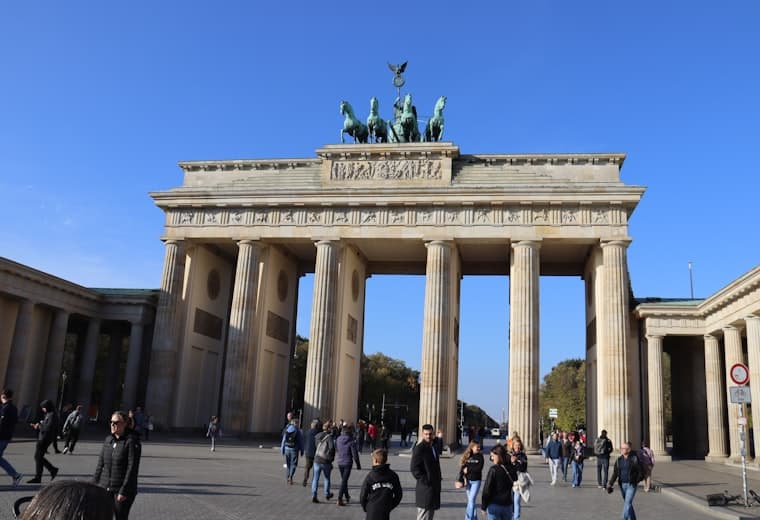
Is This Guide for You?
#Germany's Working Holiday Visa allows eligible young travelers to explore the country for up to 180 days while engaging in short-term employment to support their travels. Managed by the Federal Office for Migration and Refugees (BAMF), this program is an exciting opportunity for cultural exchange and work experience.
Target Audience for Germany's Working Holiday
The Working Holiday Visa is designed for citizens of countries that have a bilateral agreement with Germany, typically for individuals aged 18 to 30. It provides a chance to live and work in Germany temporarily while traveling and experiencing the culture firsthand.
Important: Ensure your country is on the list of eligible countries by checking the latest updates on the official BAMF website.
Ideal Candidates for This Guide
This guide is perfect for young adults who wish to combine travel with work in Germany. It is especially useful for those who are flexible and eager to experience German culture while working part-time or seasonal jobs. If you're considering other work opportunities, such as the Opportunity Card or Freelance Visa explore those options separately as they have different requirements and processes.
When to Utilize This Guide
Use this guide when you are ready to begin the application process for the Working Holiday Visa. It will help you understand the necessary steps, from gathering documents to understand the timeline and fees involved.
Tip: Check the Working Holiday Visa page for detailed requirements and updates before starting your application.
Eligibility and Requirements
#German Working Holiday visas are available for citizens of specific countries aged 18 to 30. This opportunity allows young travelers to explore Germany while working to support their stay.
Age and Nationality Criteria The German Working
Holiday visa is designed for young adults aged 18 to 30. It's available to citizens from certain countries with which Germany has bilateral agreements. - Australia
- New Zealand
- Canada
- Japan
- South Korea
- Hong Kong
- Taiwan
- Argentina
- Chile
- Uruguay
Tip: Check if your country is eligible for the Working Holiday visa by visiting the Federal Office for Migration and Refugees (BAMF) website.
Document Checklist for Applicants
Gathering the right documents is necessary for a successful application. Ensure all documents are valid and up-to-date. - Valid passport with at least two blank pages
- Proof of sufficient funds (e.g., bank statement)
- Health insurance coverage for the entire stay
- Return ticket or proof of funds to purchase one
- Passport-sized photos
Important: Documents must be in German or accompanied by a certified translation. Also, verify document requirements on the BAMF website as they may change.
Prerequisites for German Working Holiday
Before applying, ensure you meet all prerequisites. This includes financial stability and comprehensive health insurance. - Proof of financial means: At least €2,000 in a bank account
- Health insurance: Must cover medical expenses during your stay
- No dependents: The visa is only for individuals without accompanying family 1. Confirm your eligibility based on nationality and age.
-
Prepare and gather all required documents.
-
Apply through the German consulate or embassy in your home country.
Warning: The German Working Holiday visa cannot be extended beyond the initial period, typically up to one year.
What Goes Wrong Most Often
#Around 40% of applicants for Germany's Working Holiday Visa face delays or rejections due to common errors. Understanding these pitfalls can save you time and ensure a smoother application process.
Frequent Errors in Applications -
Not adhering to the 180-day eligibility period for the visa. - Confusing the Working Holiday Visa with other visa types such as the Opportunity Card or Freelance Visa.
- Missing or incorrect personal information, such as passport details or contact information.
Important: Ensure you apply for the correct visa type by verifying details on the Working Holiday Visa page.
Missteps in Documentation and Forms -
Submitting expired documents, such as passports or proofs of funds. - Failure to provide translations for non-English or non-German documents. - Incorrectly completed application forms, particularly in sections regarding travel plans and accommodation arrangements.
Tip: Gather all required documents before starting the application process to avoid delays. Refer to the Documents Checklist for guidance.
Avoiding Common Pitfalls
-
Read the detailed requirements on the Federal Office for Migration and Refugees (BAMF) website.
-
Double-check all entries on your application for accuracy.
-
Verify that all documents are in date and appropriately translated if necessary.
Warning: Incomplete applications can lead to rejection or significant delays. Always review your application thoroughly.
Fees, Timeline, and What to Expect
#Applying for a German Working Holiday visa involves specific costs and timelines. Understanding these can help you plan effectively for your stay.
Visa Application Fees Breakdown
The application fee for a Working Holiday visa in Germany is currently €75. This fee is payable at the time of application and is non-refundable, even if your application is denied.
| Visa Type | Application Fee (€) |
|---|---|
| Working Holiday Visa | 75 |
| Job Seeker Visa | 75 |
| Student Visa | 75 |
| Freelance Visa | 100 |
Tip: Ensure you have sufficient funds to cover additional costs such as travel insurance, which is mandatory for the duration of your stay.
Expected Processing Times in Germany
The processing times for the Working Holiday visa can vary, but typically it takes around 4 to 6 weeks. It's necessary to apply well in advance of your planned travel date to avoid any disruptions.
-
Submit your application at the German embassy or consulate in your home country.
-
Wait for processing, which generally takes 4 to 6 weeks.
-
Receive notification of your application's outcome.
Important: Check the Federal Office for Migration and Refugees (BAMF) website for any updates on processing times as these can change.
Financial Planning for Your Stay
When planning your finances for a Working Holiday in Germany, consider both initial costs and ongoing expenses. The visa requires proof of sufficient funds to cover your stay. - Visa application fee: €75
- Travel insurance for the entire duration of stay
- Proof of funds to support yourself, typically around €2,000 to €3,000
- Accommodation costs
Tip: Consider opening a German bank account to manage your finances more easily while in the country.
Overview
#Germany offers young travelers from select countries the opportunity to explore the country while supporting themselves through short-term work. This is made possible through Germany's Working Holiday visa, managed by the Federal Office for Migration and Refugees (BAMF). Applicants can enjoy a stay of up to 180 days, allowing them to experience German culture and lifestyle while working to fund their travel adventures. The program is a great way to experience living in Germany without committing to a long-term move.
Introduction to Germany's Working Holiday Germany's Working
Holiday program is designed for young adults from participating countries, enabling them to live and work in Germany for up to 180 days. This program fosters cultural exchange and provides the chance to experience the German way of life firsthand. - Open to citizens of countries with which Germany has bilateral agreements. - Aimed at individuals typically between the ages of 18 and 30.
- Allows for both travel and short-term work opportunities.
Important: BAMF is responsible for the management of applications and regulations related to the Working Holiday visa.
How the Program Operates
To participate, applicants must apply for a Working Holiday visa through the German embassy or consulate in their home country. Once granted, the visa allows for temporary work to supplement travel expenses.
-
Check eligibility by confirming your country of citizenship is included in Germany's bilateral agreements.
-
Gather required documents such as passport, proof of funds, and travel insurance.
-
Apply for the visa at the German embassy or consulate in your home country.
Tip: Visit the Working Holiday Visa page for detailed application instructions and eligibility criteria.
Benefits of Germany's Working Holiday
The Working Holiday program offers numerous benefits, including the chance to improve your German language skills and gain work experience in a foreign country. Participants often find this experience enriches their personal and professional lives. - Cultural immersion in a vibrant, diverse European country. - Opportunities to network and make international connections. - Flexibility to travel and explore Europe during the stay. Additionally, the program can be a stepping stone to other opportunities in Germany, such as a Opportunity Card or Freelance Visa offering a pathway to longer-term residency.
What Experienced Applicants Recommend
#Germany's Working Holiday visa allows travelers from eligible countries to live and work in Germany for up to 180 days. Successful applicants often emphasize the importance of preparing thoroughly and understanding the nuances of the German immigration process.
Advice from Successful Applicants
Applicants who have successfully obtained the Working Holiday visa often share insights about the process. Here are some key recommendations. - Start gathering all necessary documents well in advance to avoid last-minute stress. - Check the Federal Office for Migration and Refugees (BAMF) website for the latest information and requirements. - Consider consulting with someone who has gone through the process to get practical insights.
Tip: Ensure your passport is valid for the entire duration of your stay in Germany, as this is a common requirement for visa applications.
Navigating German Bureaucracy
The German bureaucracy can be complex, but understanding it is required for a smooth application process. Here are some tips from experienced applicants. - Schedule your visa appointment at the German consulate or embassy as soon as possible since slots can fill up quickly. - Be prepared for potential language barriers; learn basic German phrases or bring a translator if needed. - Keep multiple copies of your documents, as they are often required by different agencies.
Important: Always verify the addresses and office hours of the local foreigners' authority (Ausländerbehörde) where you will submit your documents.
Maximizing Your Holiday Experience
A working holiday in Germany is a unique opportunity to immerse yourself in the culture and explore the country. Here’s how to make the most of it. - Take advantage of Germany's efficient public transportation to explore different cities and regions on weekends. - Participate in local cultural events and activities to experience the rich German culture firsthand. - Consider short-term jobs in various fields to gain diverse work experiences and meet new people.
Tip: Check local community boards or online platforms for events and activities in your area to fully engage with the community.
Step-by-Step Process
#Germany offers a unique opportunity with its Working Holiday Visa, allowing young travelers from select countries to explore the nation while working to support their stay. This initiative is managed by the Federal Office for Migration and Refugees (BAMF). Designed for those aged between 18 and 30 years, this visa permits a stay of up to 12 months in Germany, with the possibility to work for up to 180 days. Understanding the application process is essential to make the most of this opportunity.
Initial Steps to Apply
Before starting your application, ensure that you meet the eligibility criteria, which includes holding a passport from an eligible country and being within the age limit specified by Germany's regulations.
-
Gather all necessary documents such as your passport, proof of financial means, and a health insurance policy valid for Germany.
-
Visit the official website of the Federal Office for Migration and Refugees (BAMF) to verify the latest requirements and guidelines for the Working Holiday Visa.
-
Schedule an appointment with the German consulate or embassy in your country for submitting your application.
Important: Ensure your passport is valid for the entire duration of your intended stay in Germany.
Application
Process involves several critical steps, each requiring careful attention to detail to avoid delays or rejections.
-
Attend your scheduled appointment at the consulate or embassy with all required documents and visa fees, which are typically around €75 as of the latest update. Verify this amount on the official website.
-
Submit your visa application and any supporting documents as requested by the consulate or embassy.
-
Wait for the processing of your application, which can vary based on the time of year and consulate workload. It's advisable to check the Processing Times for specific timelines.
Warning: Incomplete applications or missing documents can lead to delays or denials, so double-check that you have everything in order.
Finalizing Your Arrival in Germany
Once your visa is approved, you can prepare for your arrival in Germany. This involves a few final steps to ensure a smooth transition.
-
Book your travel to Germany and ensure you have all necessary travel documents, including your visa and health insurance proof.
-
Upon arrival, register your residence at the local registration office (Bürgeramt) within two weeks.
-
If you plan to work, you may need to apply for a tax ID and open a local bank account. Familiarize yourself with the local requirements for employment in Germany.
Tip: Consider joining local expat groups or forums to connect with other Working Holiday Visa holders for support and advice.
Real-World Examples
#In recent years, many young travelers have taken advantage of Germany's Working Holiday Visa, available for up to 180 days for eligible countries. This visa allows participants to explore work opportunities while experiencing life in Germany.
Example Journeys of Past Participants
Consider the journey of a Canadian traveler who utilized the Working Holiday Visa to work in a Berlin tech startup. With an interest in digital marketing, she found a temporary position that expanded her skills. By the end of her stay, she had built a network of professional contacts and gained valuable experience in an international market.
Success Stories from Germany
A young Australian artist took advantage of the Working Holiday Visa to explore Germany's vibrant art scene. By participating in several art exhibitions across Munich and Hamburg, he not only showcased his work but also collaborated with local artists. His successful stint in Germany led to a permanent job offer from a major art gallery.
Challenges and Solutions in Real-Life Cases A New
Zealander faced difficulties securing accommodation in Frankfurt due to high demand. After consulting with the local Ausländerbehörde, she learned about resources for finding temporary housing. Utilizing these services, she quickly found a suitable apartment, allowing her to focus on her work placement without further housing concerns.
Warning: Finding accommodation in major German cities can be competitive. It's advisable to start your search early and explore multiple platforms for the best results.