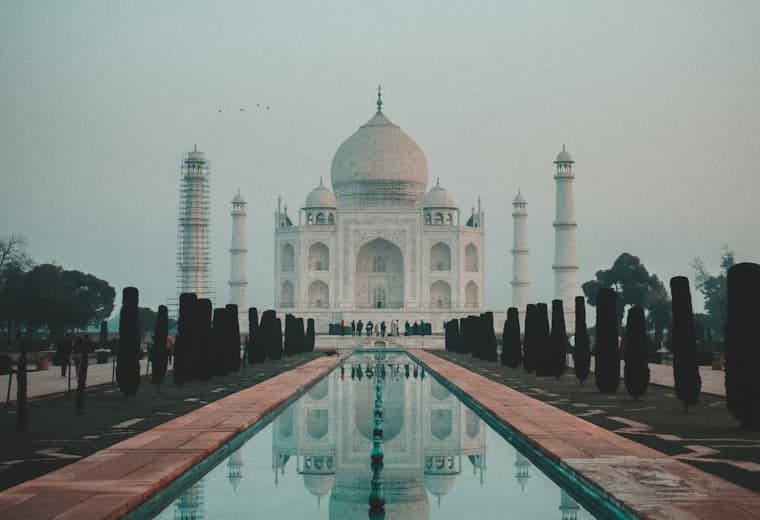
Student Visa Options at a Glance
#The table below summarizes the main visa options for this goal, including who qualifies, the key filing requirement, and reported processing times.
| Visa Option | Who It’s For | Key Filing | Processing Time |
|---|---|---|---|
| Student Visa | Foreign nationals admitted to a recognized Indian educational institution for a full-time course of study. | University admission letter + financial proof | 1-3 weeks |
Use the linked visa pages for full eligibility details, required documents, and step-by-step instructions.
The Admission Step
#Once you receive an offer from an Indian institution, your focus shifts from academic approval to immigration compliance. Admission alone does not authorize entry.
You must obtain the correct Student Visa before traveling. Don't rely on assumptions about visa types.
The comparison table at the top of this page outlines your options. Use the category that matches your purpose of study.
Applying for the Correct Visa
If you're studying full-time, apply for a Student Visa through the application channel in your country. Application centers like BLS or VFS collect your documents, but they don't decide your case.
Diplomatic or Official passport holders, or those with a Laissez-passer, must use the standard visa process for their passport category.
Step-by-Step Admission Compliance
-
Confirm Your Admission Letter – Ensure your offer is final and unconditional before starting the visa process. Your visa application must reflect the exact institution and course.
-
Submit Your Student Visa Application – File your application through the authorized submission center in your jurisdiction. These centers forward your case but do not issue approvals.
-
Wait for a Decision Before Travel – You must receive your visa approval before entering India.
-
Present Yourself at Entry – Upon arrival, the Bureau of Immigration (BOI) manages entry and exit control. You must comply with all entry procedures at the port of arrival.
-
Complete Post‑Arrival Registration if Required – Inside India, the Foreigners Regional Registration Office (FRRO) handles foreign national registration and visa extensions. If registration applies to your case, you must complete it within the required timeframe.
After You Arrive
Your responsibilities continue after entry. The FRRO manages compliance matters, including visa extensions and in-country immigration records.
If you need to extend your Student Visa later, you work directly with the FRRO, not the original visa submission center. Keep your academic and immigration documents organized.
Admission and immigration are connected but separate processes. Your university controls enrollment, while Indian immigration authorities control your legal stay.
Costs and Fees
#Official government fees for the main visa options associated with this goal are listed below. Fees may change — verify the current schedule through the linked visa pages.
| Visa / Route | Fee | Amount |
|---|---|---|
| Student Visa | Application fee | US$150 |
| Student Visa | FRRO registration fee | US$75 |
The Application Process
#You must complete the Student Visa application before traveling to India. Prepare every document in advance so you don't get stuck midway.
1. Gather your documents.
Collect your passport and supporting records before starting the online form. If you previously held an Indian passport and surrendered it in or after 2010, include the cancelled passport and the surrender certificate. Persons of Indian origin should also prepare any relevant proof of status.
2. Complete the online application.
Fill out the entire form carefully and review each section before submission. Use the same email address throughout the process.
3. Pay the visa fee.
The listed Student Visa application fee is USD. Confirm the current fee and its INR (₹) equivalent on the official Indian visa portal before payment, as currency conversions and policies can change.
4. Submit and confirm.
After payment, you'll receive a confirmation email acknowledging submission. Keep this confirmation for your records.
After You Arrive in India
Your visa allows you to enter India, but additional steps may apply once you're inside the country.
The FRRO manages registration and visa-related matters within India, including extensions. If registration is required, you must complete it with the FRRO that has jurisdiction over your place of stay.
Keep digital and printed copies of:
- Your visa approval
- Payment confirmation
- Passport and identification pages
- Any surrender certificate, if applicable
Errors in your application can delay processing. Double-check names, passport numbers, and dates before final submission.
You're responsible for complying with visa conditions at all times. Track your visa validity and contact the FRRO promptly if you need changes or extensions.
Working While Studying
#If you plan to work during your studies, start by reviewing your Student Visa conditions. Your e-Student Visa allows you to study at a recognized Indian educational institution.
It doesn't automatically grant unrestricted work rights. Confirm what activities, if any, are permitted under your visa terms.
Before accepting any job, take these steps:
1. Review your visa approval details.
Check the conditions attached to your e-Student Visa and confirm that your enrollment remains valid at a recognized institution.
2. Verify your registration status with the FRRO.
FRRO manages registration and visa extensions inside India, and your records must be current.
3. Confirm compliance before starting work.
If you're unsure whether an activity is allowed, contact the FRRO or consult official Government of India immigration guidance by name.
Don't rely on informal advice from classmates or employers. Your legal status depends on meeting the exact terms of your visa.
Registration and Status Compliance
FRRO oversees foreign national registration and visa extensions while you're in India. If your course continues beyond your current visa validity, address the extension process through FRRO before your visa expires.
If you change institutions, pause your studies, or alter your academic program, verify how that change affects your visa conditions. Your ability to remain in India depends on maintaining the purpose for which your visa was issued.
The Bureau of Immigration (BOI) manages entry and exit at the border. If you travel outside India, ensure your visa and registration status remain valid for re-entry.
Practical Considerations
Employers may ask for documents to confirm your legal status. Keep copies of:
- Your passport identification page
- Your valid Student Visa
- Proof of enrollment at a recognized institution
- FRRO registration confirmation, if applicable
Never assume that part-time, remote, or informal work is automatically permitted. If official guidance doesn't clearly authorize the activity, seek clarification from FRRO or the appropriate Government of India source before you begin.
After Graduation
#When you finish your program, your Student Visa status doesn't change automatically. You must act before your current permission expires.
The Bureau of Immigration oversees entry and exit from India. The FRRO manages registration and visa extensions while you remain in the country.
If you plan to leave India after graduation, confirm your visa validity and departure rules with the Bureau of Immigration. Keep copies of your passport, visa, and registration records for your travel file.
If you want to stay longer, you must work directly with the FRRO. Your university doesn't update your immigration status for you.
Follow these steps in order:
1. Review your visa validity.
Check the end date on your Student Visa and any registration document issued by the FRRO.
2. Confirm your registration status.
If you registered with the FRRO during your studies, verify that your records are current and accurate.
3. Submit an extension or status request to the FRRO.
The FRRO handles visa extensions inside India and decides whether you may remain beyond your original period.
4. Monitor entry and exit compliance.
The Bureau of Immigration controls departure and re-entry, so ensure your documents match your approved status before traveling.
Keep your documentation organized. Retain:
- Passport with valid visa
- FRRO registration or extension records
- University completion documents
Immigration authorities expect your records to match your actual activity in India. If you completed your course, your immigration purpose must align with your next approved step.
Don't overstay your Student Visa. Any period beyond the authorized stay places you out of compliance with Indian immigration rules managed by the Bureau of Immigration and enforced through the FRRO inside India.
For procedures, application formats, and official requirements, contact the Bureau of Immigration and the Foreigners Regional Registration Office (FRRO) directly. Policies and processing practices can change, and you must rely on the official authority managing your case.
Pathway to Permanent Residence
#India doesn't grant permanent residence automatically after you complete your studies on a Student Visa. Review the current rules issued by the FRRO and follow the process they prescribe at the time you apply.
Your pathway depends on your personal status and the documents you can provide. Civil records often play a central role in long-term immigration applications.
Key Civil Documents
Your identity and family records must be accurate and consistent across all filings. The FRRO expects official documentation that confirms your background.
Commonly required civil documents may include:
- Birth certificate
- Marriage certificate (if applicable)
- Valid passport
- Current visa documentation
| Document | Purpose |
|---|---|
| Birth Certificate | Confirms your identity, date of birth, and parentage |
| Marriage Certificate | Confirms your marital status and legal relationship |
Your documents must match the information in your passport and Student Visa records. Any discrepancy can delay processing.
Working With FRRO
If you remain in India after graduation, you'll interact directly with the FRRO for registration updates, visa extensions, or status changes. FRRO manages in-country immigration compliance.
You should:
1. Maintain Valid Status:
Keep your Student Visa valid until you obtain approval for any change in status.
2. Update Registration Records:
Notify FRRO of changes in marital status or personal details, supported by an official marriage certificate or updated birth records if applicable.
3. Prepare Civil Documentation Early:
Obtain certified copies of your birth or marriage certificate before filing any long-term application.
4. Confirm Current Requirements:
Review the latest eligibility rules, fees in ₹ (INR), and processing steps directly through official FRRO guidance before submitting an application.
Don't rely on outdated requirements. Immigration procedures change, and FRRO decisions depend on the rules in effect at the time of review.
If you married during your stay in India, your marriage certificate becomes essential for any application based on family status. If your identity details have changed, your birth certificate supports corrections.
Keep your records organized and consistent. Strong documentation reduces delays and supports a smoother transition beyond your Student Visa.
Common Mistakes
#You may submit your Student Visa application through BLS or VFS centers, but these centers do not approve or refuse visas. They only collect and forward applications.
Don't argue your case with the submission center. The decision comes from the competent Indian authorities, not the intake office.
Understand that the Bureau of Immigration (BOI) manages entry and exit at the border. BOI officers check your documents when you arrive or depart, but they don't replace the visa decision process.
Ignoring FRRO Requirements After Arrival
Many students focus only on getting a Student Visa and forget what happens after they enter India.
The FRRO handles registration and visa extensions inside India. If your stay requires interaction with FRRO, follow their procedures carefully and on time.
Don't assume your university completes this step for you. You remain responsible for your immigration status.
Assuming a Student Visa Covers Everything
Your Student Visa allows you to study in India. It doesn't automatically resolve registration, extensions, or compliance issues.
If you need to extend your stay, apply through the FRRO. Don't wait until the last minute.
Keep clear records of:
- Your passport
- Your valid Student Visa
- Any FRRO correspondence or approvals
You must present accurate documents whenever requested by immigration authorities.
Overlooking Entry and Exit Controls
The BOI controls immigration checkpoints at airports and other entry points. Officers verify your visa and travel documents each time you enter or leave India.
If your documents don't match your visa status, you may face delays. Review your visa details before you travel.
Failing to Track Your Own Status
Don't rely entirely on agents, classmates, or informal advice.
You should:
-
Confirm your visa type matches your purpose of study.
-
Monitor your visa validity and plan extensions early through FRRO if required.
-
Verify instructions directly from official Indian government sources when in doubt.
When you stay informed and proactive, you reduce the risk of status problems that could interrupt your studies.
What It Actually Costs
#You’ll pay government fees in INR (₹) at different stages of your stay. These amounts fluctuate, so always confirm the current figures with the Bureau of Immigration before you apply or travel.
Your main cost categories include:
- Student Visa fee paid during the application process
- Registration with the Foreigners Regional Registration Office (FRRO), if required
- Visa extension fees if you extend your stay inside India
- Service charges if you submit documents through BLS or VFS centers
BLS and VFS centers collect applications, but they don’t make visa decisions. The Government of India is the final authority on all decisions.
The Bureau of Immigration (BOI) manages entry and exit at the border. For official fee amounts or entry rules, always use BOI guidance.
Once you arrive, you might need to register with the Foreigners Regional Registration Office (FRRO). FRRO also handles visa extensions inside India.
Each of these steps can involve separate fees. Confirm the current amount directly with the relevant authority.
| Cost Area | Who Handles It | When You Pay |
|---|---|---|
| Student Visa | Government of India (application processed via BLS/VFS in many locations) | Before travel |
| Registration | FRRO | After arrival, if required |
| Extension | FRRO | Before your current visa expires |
You’re responsible for keeping your immigration status valid. Missing a registration or extension deadline can lead to extra costs or complications, so keep close track of your dates.
Don’t trust unofficial blogs or social media for pricing. Always confirm the current Student Visa and FRRO fee structure in INR (₹) directly with the Bureau of Immigration before you pay.
Budget separately for each stage. Visa issuance, registration, and extensions are distinct, handled by different authorities, and each may require its own payment.
Day-To-Day Student Life
#Your daily routine in India revolves around classes, assignments, and keeping up with your Student Visa rules. You attend lectures, finish coursework, and join campus activities, all while maintaining valid immigration status.
After you arrive, you complete any required registration with the Foreigners Regional Registration Office (FRRO). FRRO manages both registration and visa extensions inside India.
When you enter or leave India, the Bureau of Immigration (BOI) checks your documents at the border. Always keep your passport and Student Visa documents handy when you travel.
You’ll need to juggle your immigration responsibilities alongside your academic schedule:
- Keep your passport valid.
- Watch your Student Visa expiry date.
- Apply to the FRRO for extensions if needed.
- Keep copies of your registration and approval records.
If you use a service center to submit paperwork, remember that BLS or VFS only collect applications—they don’t decide your case.
Balancing coursework with administrative tasks is part of student life. Set reminders for visa deadlines, store both digital and paper copies of all approvals, and respond quickly to any FRRO communication.
Real Student Visa Stories
#Real cases highlight how the Student Visa process works in practice. You deal with the Foreigners Regional Registration Office (FRRO) after arrival, and your preparation shapes your experience.
The examples below focus on registration and compliance inside India.
Scenario: First-Time Registration with FRRO
You arrive with a valid Student Visa but aren’t sure about post-arrival formalities. Your university reminds you that FRRO handles registration and visa matters inside India.
You complete the online FRRO registration, upload your documents, and track your application through the official portal. You pay the required FRRO registration fee for Student Visa holders, charged in Indian rupees.
Before paying, you check the current amount on the official FRRO website.
| Item | Authority | What You Should Do |
|---|---|---|
| Student Visa Registration | FRRO | Complete online registration and pay the fee listed in INR on the official FRRO website |
Your registration is approved after review. You keep digital and printed copies of the confirmation for your records.
Scenario: Confusion About Who Makes Decisions
You submit documents through a visa application center before traveling and assume that center controls your status in India. After arrival, you learn that FRRO—not the submission center—handles registration and extensions inside India.
You verify your status directly through FRRO’s official system. This helps you avoid delays and incorrect information.
When you need clarification, you refer only to official FRRO communications. That keeps your record accurate and reduces the risk of compliance issues.
Scenario: Paying the Correct FRRO Fee
You prepare for FRRO registration and see outdated fee figures in online forums. Instead of using unofficial sources, you check the official FRRO website for the current Student Visa registration fee in INR.
You pay through the authorized system and save the receipt. That proof is useful if you later apply for a visa extension through FRRO.
By confirming the fee directly with the issuing authority, you avoid underpayment or rejected submissions.
Choosing a School
#You need to choose a school that fits your academic plans and supports Student Visa compliance. Your admission offer forms the foundation of your visa application.
If your institution can’t issue the required admission documentation, you can’t move forward.
Focus first on the academic program. Make sure the course title, duration, and level of study match what you’ll state in your Student Visa application. Any mismatch can delay or complicate processing.
Confirm Academic Program Eligibility
Not every course fits a Student Visa. You need a formal academic program with clear start and end dates.
Before accepting admission, check:
- The official name of the program
- Total duration of study
- Mode of study (full-time or otherwise)
- Documents the school provides for visa purposes
If you’re unsure whether your course qualifies, review the Student Visa guidance from the Bureau of Immigration.
Ensure Institutional Support for Visa Compliance
Your school plays a practical role after you arrive in India. You’re responsible for your immigration status, but the institution should understand the process.
After arrival, you may need to complete registration formalities with the Foreigners Regional Registration Office (FRRO). FRRO handles registration and visa extensions. The Bureau of Immigration manages border entry and exit.
Ask the institution:
- Whether it helps international students with FRRO registration
- What documents it issues for visa extensions
- Who to contact for immigration-related letters
If you apply through a BLS or VFS center, remember they only collect and forward applications. They don’t decide your case.
Evaluate Practical Considerations
You also need to consider how your school schedule matches your visa validity.
1. Review your admission timeline.
Make sure your program start date gives you enough time to get a Student Visa before traveling.
2. Check visa duration alignment.
Your visa should match your course length as stated in your admission documents.
3. Plan for extensions if needed.
If your program extends beyond your initial visa, you must apply for an extension through FRRO before your current visa expires.
For current rules, required documents, and any applicable fees in ₹ (INR), use Bureau of Immigration or FRRO official guidance.
Pick a school that understands these requirements and issues accurate documentation. Your immigration compliance depends on it.
Staying in Good Standing
#Your Student Visa lets you study in India under specific conditions. You must continue to meet those conditions throughout your stay.
Approval isn’t automatic. Even if you meet all listed requirements, authorities can still refuse or decline a request.
Maintain Valid Immigration Status
You’re responsible for monitoring your visa status at all times. Don’t assume your institution tracks this for you.
If you need to register or extend your stay inside India, you’ll deal with the Foreigners Regional Registration Office (FRRO). FRRO manages registration and visa extensions.
Follow every FRRO instruction carefully. Incomplete or incorrect submissions can delay processing, and approval is not guaranteed.
Understand Who Does What
Different authorities handle different parts of the process. Know which office controls each stage:
- FRRO – Registration and visa extensions inside India
- Bureau of Immigration (BOI) – Entry to and exit from India
- BLS/VFS centers – Accept and forward applications but do not make decisions
If you submit documents through a BLS or VFS center, remember the center only collects and forwards your file. The final decision comes from the relevant government authority.
Protect Your Entry and Exit Record
The Bureau of Immigration (BOI) controls your entry into and departure from India. Your compliance with visa conditions affects how border officials assess your travel.
Carry accurate and consistent documentation when you travel. Discrepancies can cause complications at entry or exit.
Practical Steps to Stay Compliant
To reduce risk, follow these steps:
-
Track your Student Visa validity and plan extension requests before your current permission expires.
-
Complete any required FRRO registration or extension process as instructed, and keep proof of submission.
-
Submit applications through authorized channels such as BLS or VFS centers when required, knowing they don’t decide your case.
-
Maintain consistent records for travel, registration, and visa status in case authorities request verification.
Keep copies of all approvals and receipts. Store them both digitally and in print.
Your compliance is your responsibility. Stay organized, follow official instructions, and address issues promptly to avoid jeopardizing your Student Visa status.
Paying for Your Studies
#You need to plan for tuition, living costs, and immigration fees before applying for a Student Visa. Indian authorities expect you to show you can cover these expenses for your entire course.
Don’t use estimates from third parties. Confirm all current fees with the official issuing authority before you pay.
Visa Application Costs and Processing
When you apply for a Student Visa under the e‑Visa or Regular Visa category, processing typically takes 3 to 5 days as of February 2026. Processing times vary by visa category and location, so verify current timelines with the issuing authority.
Visa fees are charged in INR (₹) or the equivalent as required by the Indian mission. The exact amount depends on your visa category and nationality.
Check the official Government of India visa portal or the Indian mission handling your application for the current fee schedule.
Budget for possible extra charges related to submission services. Application centers may accept documents, but they don’t decide your case.
Registration and Ongoing Compliance Costs
After you arrive, you may need to complete registration with the Foreigners Regional Registration Office (FRRO). FRRO handles registration and visa extensions.
Monitor your visa validity closely. If you need an extension, apply through FRRO and pay the required government fee in INR (₹). Confirm the current extension fee and processing time directly with FRRO before you apply.
Failure to maintain valid status can lead to penalties and added costs. Track your visa dates from the day you enter India.
What to Budget
For Use this checklist when planning your finances:
- Student Visa application fee (verify with the issuing authority)
- Service charges, if you use a visa application center
- FRRO registration fee, if required
- Visa extension fee, if your course lasts longer than your initial visa
- Tuition and institutional fees charged by your university
Set aside funds before you submit your visa application. Processing may take just a few days, but don’t wait until the last minute to arrange payment.
Keep receipts and confirmation notices for every payment. You’ll need them when dealing with FRRO or if questions come up about your immigration status.
Global Overview
#See how this topic works across all countries in our Student Visa Guide.