Questions You Should Expect
#When preparing for your Vietnam visa interview with the Immigration Department of Vietnam (Cục Quản lý xuất nhập cảnh), it's crucial to anticipate the types of questions you might face. This preparation will help you provide accurate and complete answers, ensuring a smoother interview process.
Personal Information and Travel Intentions
-
Why do you want to visit Vietnam?
- This question is designed to understand the purpose of your visit, whether it's for tourism, business, study, or family reasons. Be clear and concise about your intentions.
-
How long do you plan to stay in Vietnam?
- The officer wants to verify that your planned duration of stay aligns with the type of visa you are applying for, such as a Tourist Dl or Business Dn visa.
-
Have you visited Vietnam before?
- Previous visits can indicate familiarity with the country and compliance with past visa terms. Mention dates and purposes of past trips if applicable.
Financial Stability and Accommodation
-
How will you finance your stay in Vietnam?
- This question assesses your financial capacity to support yourself during your stay. Be prepared to discuss your employment, savings, or sponsorship details.
-
Where will you be staying in Vietnam?
- Providing details about your accommodation, whether it's a hotel, rental, or with family, helps demonstrate that you have planned your stay responsibly.
Supporting Documentation
- Can you provide documents proving your employment or studies?
- For applicants on work or study visas, such as the Work Ld or Student Dh, documentation like employment letters or university acceptance letters is essential.
Tip: Double-check that all supporting documents are current and match the information in your application to avoid discrepancies.
Legal and Personal Background
-
Do you have any criminal convictions?
- This question evaluates your eligibility under Vietnam's entry regulations. Honesty is crucial, as any dishonesty can lead to application denial.
-
Have you ever been denied a visa to any country?
- Visa denials can affect your current application. Be truthful and provide context if applicable, focusing on any changes since prior denials.
Health and Safety
- Are you in good health to travel?
- Vietnam may require certain health checks or vaccinations, and this question ensures that you meet current health guidelines for entry.
Preparing for these questions will help you approach your Vietnam visa interview with confidence. For more detailed guidance on visa types and requirements, consider exploring resources such as the E Visa Vs Visa On Arrival or the Visa Refusal Reasons guide.
Your Interview Preparation Plan
#Gather Required Documents
Before attending your visa interview at the Immigration Department of Vietnam, ensure you have all necessary documents ready. This typically includes:
- Passport: Original passport with at least six months validity and two blank pages.
- Photographs: Two recent passport-sized photographs (4x6 cm) with a white background. The image should be a front-facing photo with no hat or glasses, in formal attire.
- Visa Application Form: Ensure you have completed the correct application form relevant to your visa type, such as the E Visa or Business Visa (DN Symbol).
- Invitation or Sponsorship Letter: A document from your inviting or sponsoring agency in Vietnam, if applicable.
- Supporting Documents: Depending on your visa category, you might need additional documents such as work permits, study enrollment letters, or proof of financial means.
Important: Double-check that all documents are complete and accurate to avoid any delays or complications during the interview.
Dress Appropriately
Your appearance can influence the outcome of your visa interview. Dressing appropriately is a sign of respect and seriousness about your application.
- Formal Attire: Opt for formal or business casual attire. For men, this could mean a suit or a collared shirt with dress pants. Women may choose a blouse with a skirt or trousers.
- Grooming: Ensure you are well-groomed with clean and tidy hair. Avoid wearing excessive jewelry or makeup.
- Cultural Sensitivity: Be mindful of local cultural norms. Conservative dressing is generally appreciated in Vietnam.
Plan Your Arrival Timing
Arriving on time for your visa interview is crucial. It demonstrates your punctuality and respect for the immigration process.
- Schedule in Advance: Confirm your appointment time and location with the Immigration Department of Vietnam. Aim to arrive at least 15 minutes early.
- Consider Traffic: Traffic in major Vietnamese cities can be unpredictable. Factor this into your travel plans to ensure timely arrival.
- Check Documents: Before leaving for your interview, double-check that you have all necessary documents with you.
Tip: Familiarize yourself with the location of your interview. If possible, do a trial run to the Immigration Department to get a sense of the travel time and layout of the premises.
For more detailed information on the visa process, consult the Documents Checklist and Visa Refusal Reasons to ensure you are fully prepared.
The Officer's Decision Process
#Your interview with the Immigration Department of Vietnam is a critical step. Officers evaluate various aspects of your application to determine your eligibility for entry. Understanding their decision-making process can enhance your chances of success.
What Do Officers Evaluate?
Vietnamese immigration officers assess several key factors during the visa interview process. Here are the primary considerations:
-
Credibility: Officers will evaluate the authenticity of your documentation and the truthfulness of your statements. They will cross-reference the information provided against your application materials to ensure consistency.
-
Intent: Your purpose for visiting Vietnam must be clearly defined and align with the type of visa you are applying for, such as a Tourist Visa Dl or a Business Visa Dn.
-
Ties to Home Country: Demonstrating strong ties to your home country, such as employment, property ownership, or family commitments, can support your case. This helps assure officers that you intend to return after your visit.
-
Consistency with Application: The details you provide during the interview should match those in your visa application. Any discrepancies might raise red flags and affect the outcome.
Common Documents and Information Required
To support your application and interview, you need to gather and present the following documents:
- Passport: Ensure it is valid for at least six months from your planned entry date.
- Recent Photograph: A 4x6 cm image in JPG or JPEG format, showing a front-facing image with no hat or glasses, and a white background.
- Supporting Documents: This may include an introduction letter from a sponsoring agency, an invitation letter, or proof of financial means.
- Application Forms: Completed and signed forms, such as the EVISA-APPLICATION or NA1-FORM, as applicable.
Pitfalls to Avoid
To prevent delays or rejections, avoid these common pitfalls:
- Dishonesty: Providing false information or documents can lead to immediate rejection.
- Incomplete Submissions: Failing to submit all required documents or providing invalid photographs can hinder your application.
- Inconsistency: Ensure that all information across documents and verbal statements is consistent.
Important: Any false information found by the Vietnam Immigration Authority can result in the denial of your e-Visa application.
Tips for a Successful Interview
- Prepare Thoroughly: Review your application and documents to ensure consistency and accuracy.
- Practice Responses: Anticipate questions related to your travel plans and ties to your home country.
- Be Honest and Concise: Answer questions truthfully and directly to build trust with the immigration officer.
By understanding these factors and preparing accordingly, you can confidently approach your visa interview with the Immigration Department of Vietnam. For further guidance, consider reviewing the Documents Checklist to ensure you have all necessary materials ready.
Common Interview Mistakes
#When preparing for your Vietnam visa interview with the Immigration Department of Vietnam, it's crucial to avoid common pitfalls that may jeopardize your application. Here are some mistakes to steer clear of during your interview process.
Over-Explaining
- Stick to Direct Answers: When asked a question, provide concise and relevant responses. Over-explaining can lead to confusion or raise unnecessary questions about your intentions.
- Avoid Tangents: Stay on topic and answer only what is asked. Providing excessive details might inadvertently create inconsistencies with your application.
Inconsistencies with Application
- Review Your Application Details: Before your interview, thoroughly review your application to ensure all information is accurate and matches what you plan to discuss.
- Consistency is Key: Make sure your verbal responses align with the details on your application forms, such as those submitted for an E Visa or Tourist Dl. Inconsistencies can lead to delays or denial of your visa.
Volunteering Negative Information
- Stay Positive: Focus on the positive aspects of your travel plans. Avoid bringing up any negative experiences or circumstances unless directly asked.
- Don't Offer Unnecessary Details: Only provide information that is directly relevant to your visa type. For example, if applying for a Student Visa (DH Symbol), focus on your educational plans without diverging into unrelated personal history.
Tip: Practice common interview questions and rehearse your answers to maintain confidence and clarity during the actual interview.
By avoiding these common mistakes, you can enhance your chances of a successful visa interview and ensure your application process is as smooth as possible. For more detailed guidance on preparing your documents, check out the Documents Checklist to ensure everything is in order before your interview.
What Happens Next
#After completing your visa interview with the Immigration Department of Vietnam, several steps will follow. Understanding what happens next can help you manage expectations and plan accordingly. Here's what you can anticipate:
Administrative Processing
After your interview, your visa application may undergo administrative processing. This is a standard procedure that involves further review of your documentation and information. The duration of this process can vary, but it typically takes a few days to a few weeks. It's essential to wait patiently during this time and avoid contacting the Immigration Department unless absolutely necessary.
Tip: Ensure all your contact information is up-to-date with the Immigration Department. This ensures you receive any notifications promptly.
Visa Pickup Timelines
Once the processing is complete, you will be informed about the status of your visa application. If approved, you'll receive details on when and how to pick up your visa. Generally, applicants can expect to collect their visas within 1 to 5 working days after receiving the approval notice.
Here is a quick overview:
| Stage | Typical Duration |
|---|---|
| Administrative Processing | A few days to a few weeks |
| Visa Pickup | 1 to 5 working days post-approval |
What Does 221(g) Mean?
If your application is issued a 221(g) notice, it means additional information or documents are required before a final decision can be made. This is not a rejection; rather, it's a request for more clarification or documentation. You will be given specific instructions on what is needed and how to submit the additional information.
- Actionable Steps for 221(g):
- Review the instructions carefully.
- Gather and submit the requested documents promptly.
- Keep a record of your submission for reference.
Next Steps
Once you have your visa, it's time to finalize your travel plans to Vietnam. Ensure you have all necessary documents ready for your journey:
- Documents to Carry:
- A printed copy of your visa
- Your passport with the visa stamp
- Any supporting documents requested during the application process
For those applying for specific visa types, such as the E Visa or Work Visa, ensure you understand any additional entry requirements or obligations.
Important: Always verify the latest guidelines and requirements on the official website of the Vietnam Immigration Department before traveling.
How to Frame Your Answers
#Tip: Practicing your responses out loud with a friend or in front of a mirror can help you feel more confident during your interview.
How to Frame Your Answers
When preparing for your Vietnam visa interview, it is essential to anticipate the types of questions you may be asked and to frame your responses effectively. Here are some common questions and strategies for answering them.
What Is the Purpose of Your Visit to Vietnam?
This is a critical question where clarity is key. You should succinctly explain your intentions for visiting Vietnam, whether it's for business, tourism, study, or another purpose. Be specific about your planned activities and how they align with your visa type.
- Business Visit Example: "I am attending a business conference in Ho Chi Minh City organized by [Company Name] from [Date] to [Date]. I have been invited to speak on [topic] and meet with potential clients."
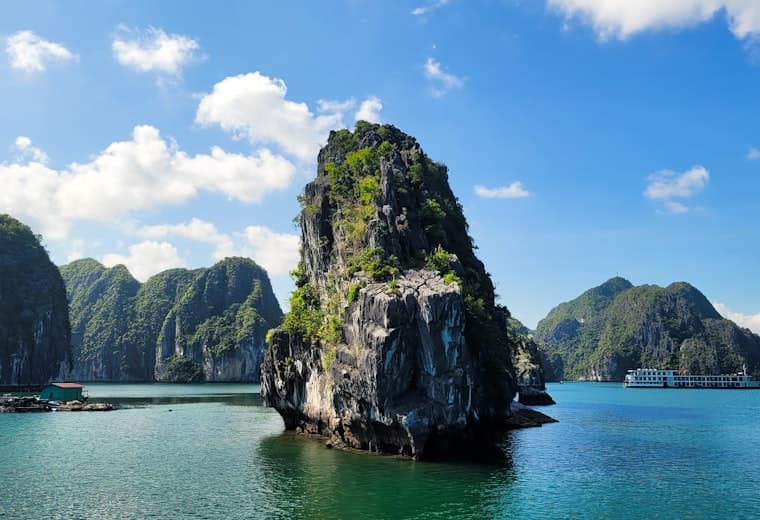
- Tourism Example: "I plan to explore Vietnam's cultural heritage, including visiting the ancient town of Hoi An and the UNESCO World Heritage site, Ha Long Bay."
Important: Ensure your explanation matches the documentation you have submitted, such as an invitation letter or itinerary.
How Long Do You Intend to Stay in Vietnam?
Provide a precise duration and ensure it aligns with the details in your application. Consistency is crucial to avoid any suspicion or confusion.
- "I plan to stay for 15 days, from March 10th to March 25th, 2024, as reflected in my travel itinerary."
Do You Have Any Contacts in Vietnam?
If you have local contacts, mention them briefly, along with their relationship to you. This question helps demonstrate your connections and support network in Vietnam.
- "Yes, I have a business associate, Mr. Nguyen, who works at [Company Name] in Hanoi. We have been collaborating on projects for over two years."
Scenario: Business Traveler Attending a Conference
A marketing manager was invited to speak at an international conference in Hanoi. She needed to explain her visit succinctly during her visa interview. She stated her role, the conference details, and her intended contribution, aligning her answers with her invitation letter from the organizing committee. With all her documentation in order, the Immigration Department of Vietnam granted her the necessary visa within five working days.
Scenario: Student Planning to Study Abroad
A high school graduate from France applied for a Student Visa (DH Symbol) to attend university in Ho Chi Minh City. During his interview, he highlighted his acceptance letter from the university, detailed his study plan, and assured the officer of his accommodation arrangements. By clearly linking his answers to his supporting documents, he received his visa approval promptly.
Remember, your responses should be honest, concise, and consistent with the information in your application. Practicing these examples can help you articulate your answers more confidently during your Vietnam visa interview.
What Is Different Here
#Tip: Preparing for your visa interview in Vietnam requires understanding specific practices and requirements unique to the Immigration Department of Vietnam.
Unique Interview Practices
- Language Use: Interviews are generally conducted in Vietnamese. If you're not fluent in Vietnamese, it's advisable to request an interpreter. This ensures clear communication and understanding of the questions posed by the officer.
- Cultural Sensitivity: Vietnamese culture places high importance on respect and politeness. Dressing formally and addressing the officer with proper titles can positively influence the interview's tone.
Consulate-Specific Quirks
- Appointment Scheduling: In Vietnam, the appointment slots for visa interviews can fill up quickly. It's crucial to book your interview as soon as possible after receiving your appointment notice to secure a convenient time.
- Interview Environment: Some consulates in Vietnam might have specific security protocols, such as prohibiting certain electronic devices or restricting entry to only the applicant. It's important to familiarize yourself with these regulations before your appointment.
Document Requirements
- Specific Documentation: The Immigration Department of Vietnam requires precise documentation, such as an Introduction Letter from the Head of the direct management unit if you're applying for a work visa. Ensure all documents are originals or certified copies.
- Photograph Specifications: Your application must include a recent 4x6 cm image with a white background. The photo should be in JPG or JPEG format, less than 2MB, and show you looking straight ahead without glasses.
Important: Providing accurate and truthful information is critical. Any discrepancies or dishonest details could lead to the rejection of your visa application.
Common Pitfalls
- Incomplete Applications: Failing to provide a complete set of documents can result in the rejection of your application. Utilize resources like the Documents Checklist to ensure all requirements are met.
- Miscommunication: Due to language barriers, applicants sometimes misunderstand interview questions. It's beneficial to clarify any doubts immediately during the interview to avoid misinterpretation.
By understanding these Vietnam-specific practices and requirements, you can better prepare for your visa interview. Additionally, exploring resources such as the Visa Refusal Reasons guide can help you understand potential pitfalls and how to avoid them.